
Frontier X2: One minute review
While the Polar H10 chest strap is used by athletes the world over as a heart rate monitor accuracy benchmark, one of its biggest pain points can be its connectivity issues. It’s hard to know whether it’s going to drop out, or you need to replace or clean the strap, until you actually start a workout. There’s also no interface or control on the heart rate monitor itself, and the app is cluttered and outdated. I like using the Polar H10 for its accuracy, but when it doesn’t work for me, it’s not always obvious until after the fact — which, when testing multiple devices simultaneously, is a frustrating experience.
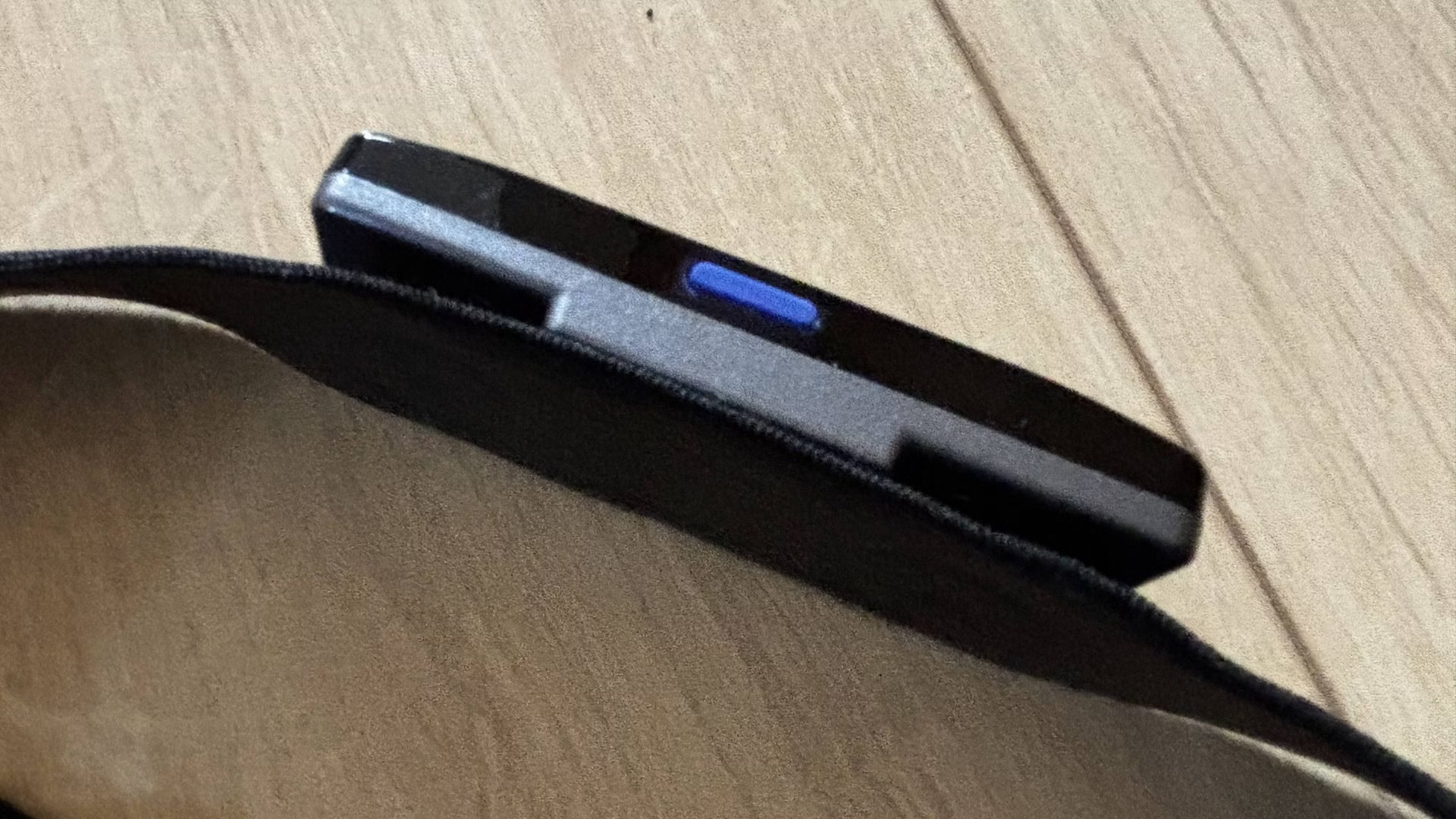
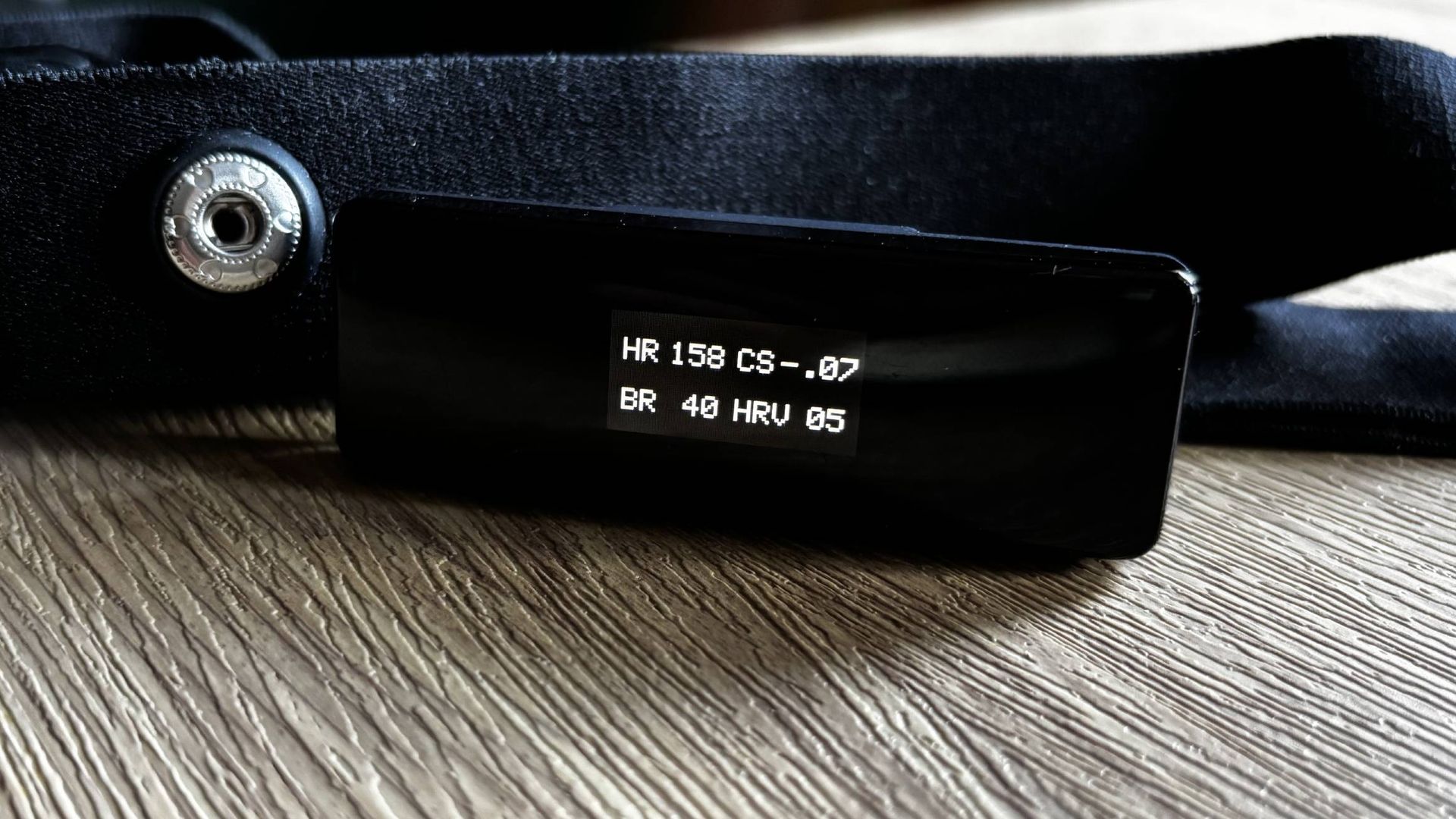
Frontier X2 from Fourth Frontier offers a different chest strap experience: a more modern app and a USB-chargeable device, with a screen and a button allowing you to manually start a workout and receive haptic feedback. That haptic feedback also triggers when you cross heart rate zone thresholds.While you can’t view the screen while wearing it on your chest of course, it does make workout preparation and phone connection so much easier than Polar’s offering. Guessing the heart rate monitor is working, even checking your phone to make sure heart rate is streaming correctly, only to have it drop out halfway through and lose my data due to a poor connection or crap strap, is an experience I’d like to leave in the past.
The Frontier X2 uses heart rate information to calculate Whoop-style metrics like a Strain score, Stress score, Heart Rate Variability (HRV), Breathing Rate, and estimates calories burned. That last metric is somewhat outdated, as research from Stanford University found that calorie estimates based on heart rate are unreliable as they measure effort rather than energy expended. A premium tier subscription costs an additional $119.99 / £109.99 per year, adding a Readiness score, VO2 Max and even sleep stage analysis. As an already-expensive device, I wouldn’t recommend this unless you’re planning to make Frontier X2 your privacy fitness tracker, and accuracy is hyper-important to you.
The continuous electrocardiogram, or ECG, can livestream an ECG scan for yourself or a medical professional to the Frontier app. Not only is this useful for spotting irregular heart rate rhythms over time, but I most often used it to check the HRM is streaming data correctly before starting working out in earnest, which is recommended, as the scan flags up in the app if there’s insufficient data due to poor connection.
In terms of accuracy, I had no complaints. I took it for a test run against the Apple Watch Ultra 4 (which offers a redesigned Health Sensing System said to be ‘the most accurate ever on a wearable’) and the Garmin Fenix 9 Pro, which uses Garmin’s Elevate V5 that I’ve already tested against the Polar H10 and found to be very accurate.
The results of the Frontier X2’s test run were excellent, with just 2 bpm separating the Frontier X2 from the Apple Watch Ultra 4 and Garmin Fenix 9 Pro’s average heart rate readings, a clear indication that all three devices are telling the same story about my body, and thus all three are very likely to be accurate. After some more solo runs and workouts, I feel like I could certainly recommend the Frontier X2, if you don’t mind paying the hefty premium price.
Frontier X2: Price and availability
- $599 / £449 / AU$775
- Very expensive for a HRM
- Not competitively priced compared to the industry standard
The Frontier X2 can be found on storefronts like Amazon for $599 in the US and £449 in the UK. In Australia, it’s more difficult to locate, but Selfridges’ AU storefront lists it for AU$775. The optional subscription for premium features on top is tough to swallow at this price.
This is a lot for a device that fundamentally only measures heart rate, and although the Frontier X app can interpret strain, readiness, training load, specific workout profiles and other metrics, it’s still a lot to ask for compared to the $89.95 / £79.50 / AU$139 Polar H10.
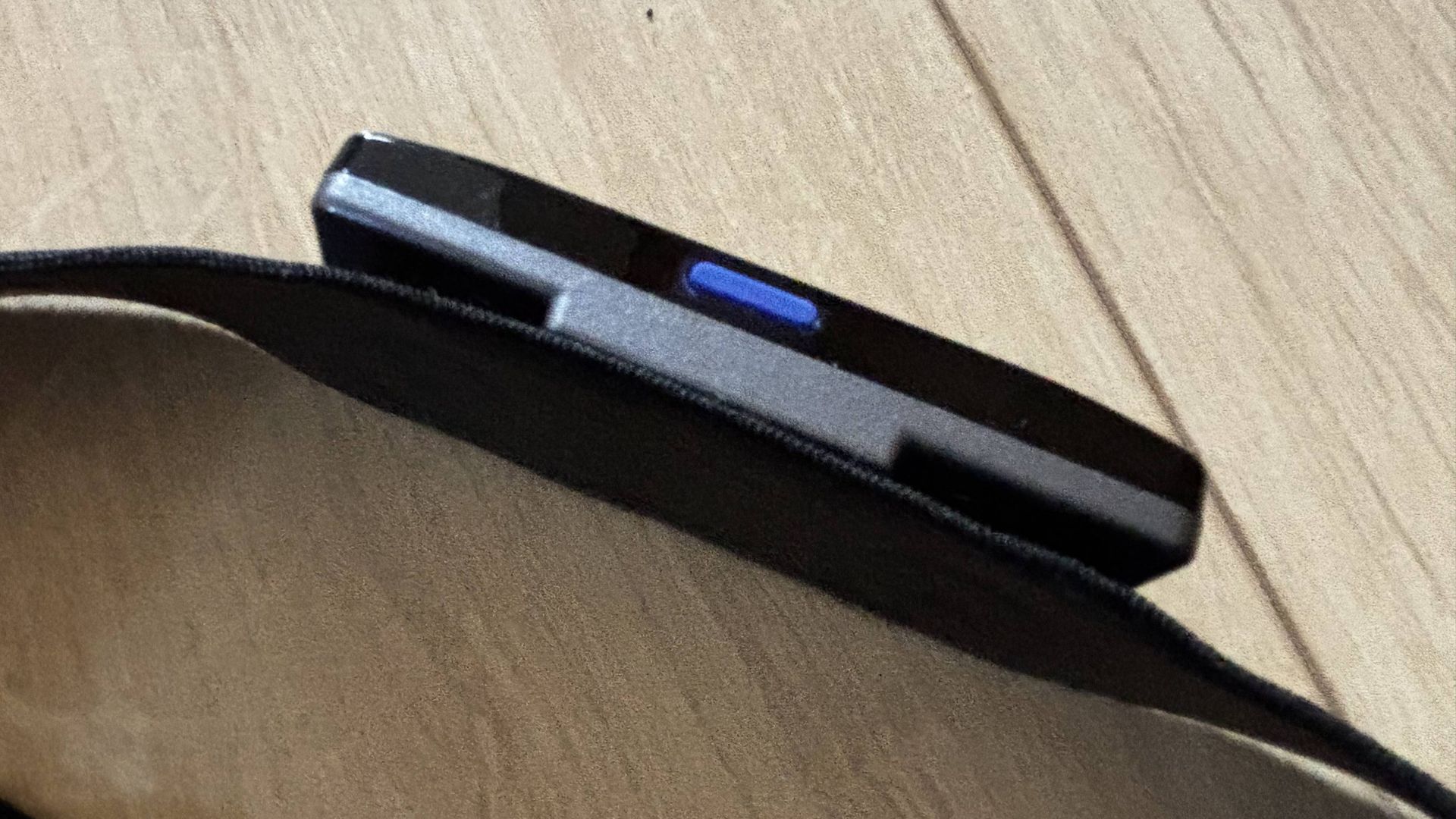
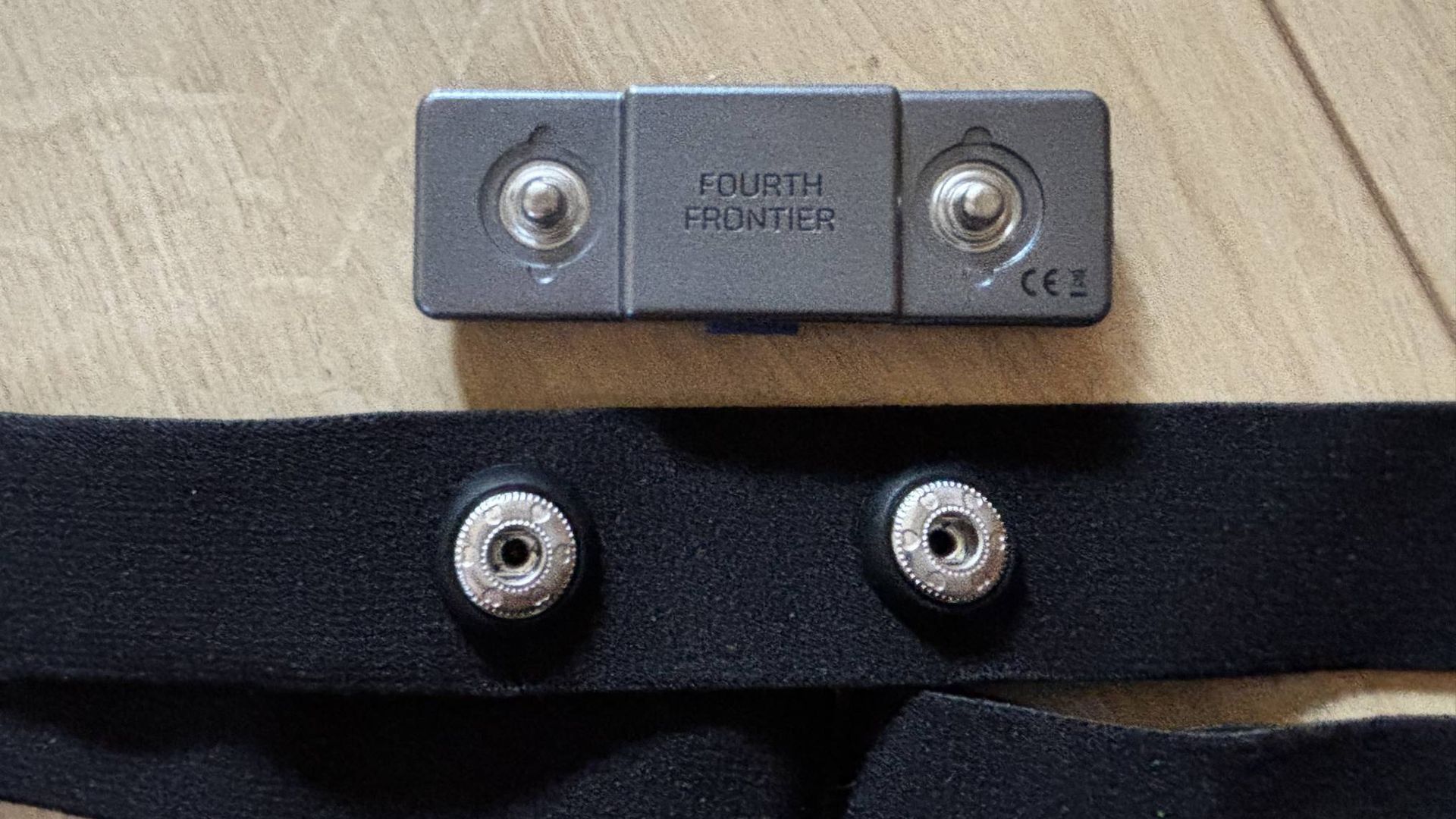
However, it does address quite a few of Polar’s pain points, notably including a micro-USB charger rather than a replaceable coin battery, and a screen for an easier indicator of connection. The continuous ECG is a nice touch too, offering a way to test the monitor’s connection in addition to providing reliable ECG data for a medical professional. All in all, it’s an excellent package, but I wouldn’t call it excellent value.
- Value score: 3.5/5
Frontier X2: Specifications
|
Component |
Frontier X2 |
|
Dimensions |
73mm x 24mm x 13mm |
|
Weight |
25g without strap |
|
Case material |
Plastic |
|
Connectivity |
Bluetooth |
|
Water resistance |
IP67 |
|
Accelerometer |
Yes |
|
Battery |
14 days typical usage |
Frontier X2: Scorecard
|
Category |
Comment |
Score |
|
Value |
A premium product with more to recommend it over Polar, but not enough to stretch your budget. |
3.5/5 |
|
Design |
So many pain points addressed. |
4.5/5 |
|
Features |
More than most HRMs, but limited. |
4/5 |
|
Performance |
Accurate and reliable with little friction. |
4.5/5 |
Frontier X2: Should I buy?
Buy it if…
You want the best heart rate monitor
If money is no object, the Frontier X2 won’t let you down.
You want a rechargeable battery
Don’t want to faff around with coin batteries? The Frontier X2 uses standardised micro-USB.
You want ECG
The Frontier X2 is as good for people watching their heart health as it is for serious athletes.
Don’t buy it if…
You’re running a triathlon
The Frontier X2 isn’t for use in saline water.
You’re on a budget
Just get a Polar H10 instead, although you’ll have to put up with its app and the odd connection dropout.
Also consider
Coros Heart Rate Monitor
While not electrical, but optical like a smartwatch, this arm-mounted HRM performed incredibly well during testing.
Read our full Coros Heart Rate Monitor reviewView Deal
How I tested
I took the Frontier X2 on test runs, gym sessions and meditations, draining the battery down and wearing it consistently. I used its continuous ECG functionality, compared its in-app metrics to competitor wearables, and cleaned the band after each use.
First reviewed: October 2026