
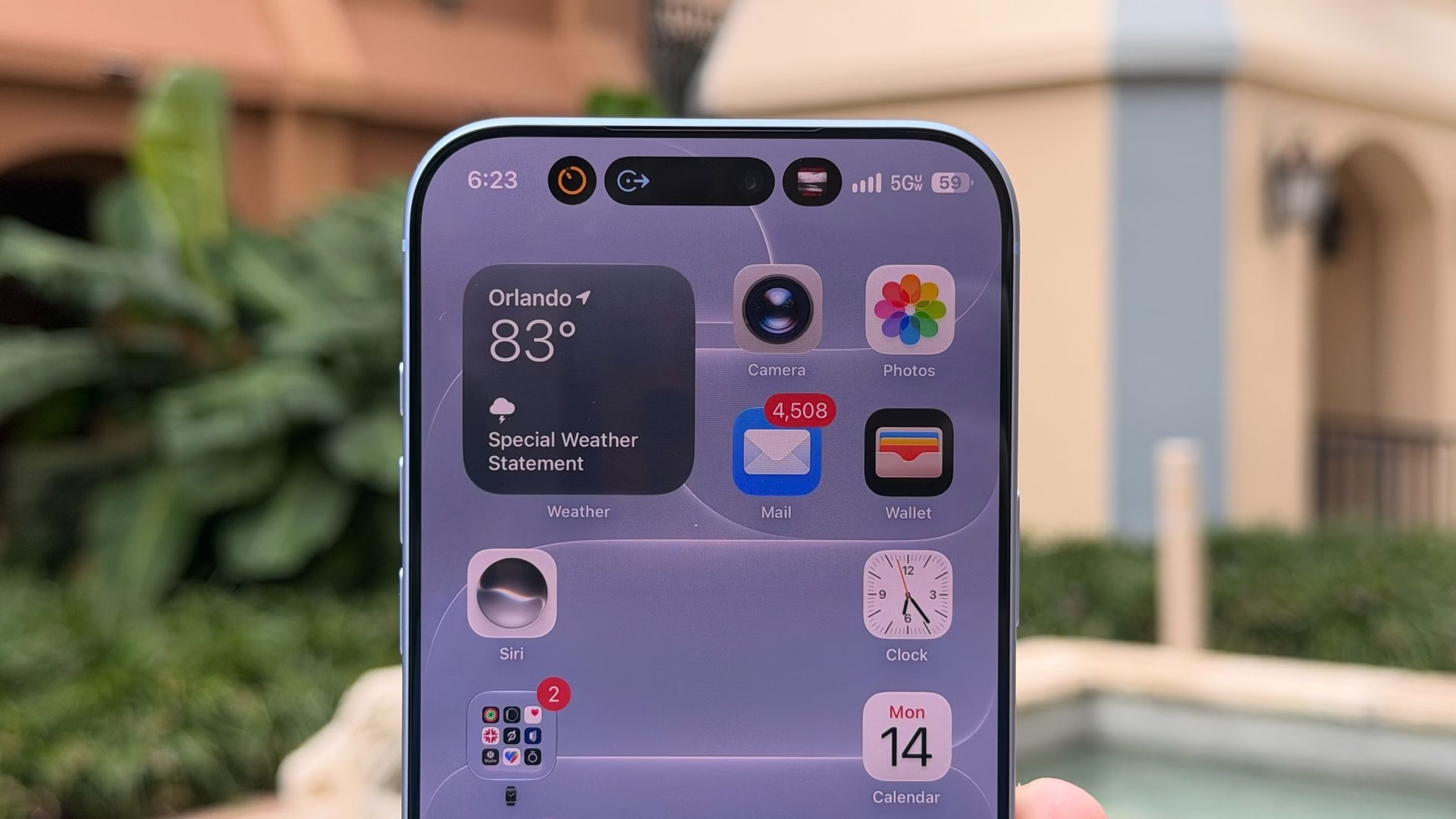
- Apple has confirmed that a “small number” of iPhone 18 Pro Max users are experiencing an unfixable bug
- Affected users will have to replace their phone
- Any currently unaffected iPhone 18 Pro Max users on AT&T should download a pair of updates to ensure their phones don’t break
Most bugs can be fixed by software updates, but right now, some iPhone 18 Pro Max users are facing a glitch that requires a whole new handset.
In a statement to 9to5Mac, Apple has confirmed that a “small number” of iPhone 18 Pro Max devices on AT&T have lost cellular service, leaving them unable to make calls.
The company is rolling out a carrier settings update which — along with iOS 27.0.1 — is designed to prevent this issue from occurring on phones that aren’t already affected, but it won’t fix things for devices that already have the bug.
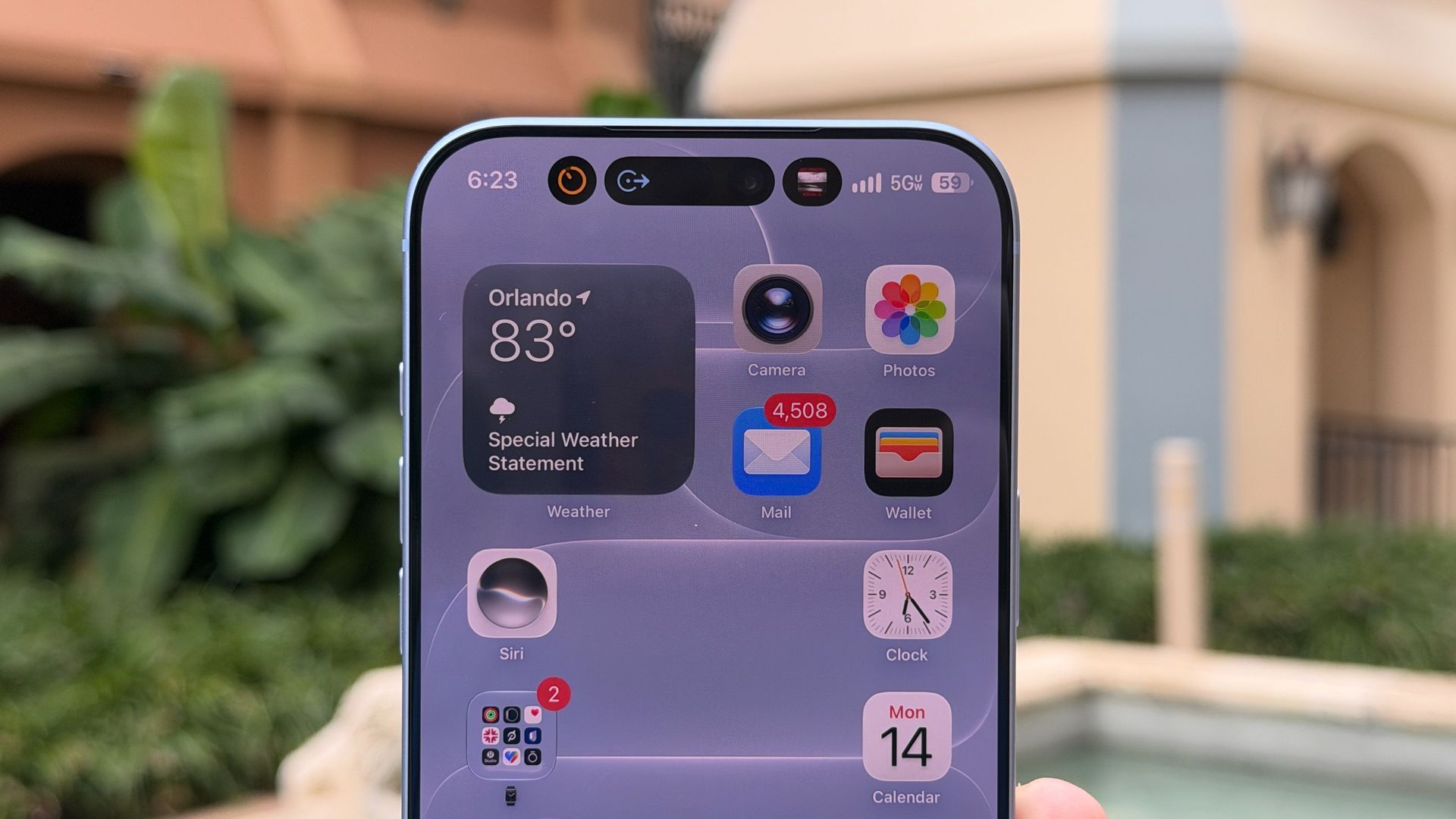
How to check if your phone is affected
So, how can you see if your phone is affected? Well, first off, the issue is limited to iPhone 18 Pro Max models on AT&T — the iPhone 18 Pro isn’t affected, likely because it uses a different modem. So if you’re not on AT&T or not using an iPhone 18 Pro Max, you should be fine.
If you are using this phone on AT&T, then you should easily be able to tell if the bug has hit your handset, as it will be displaying the word ‘SOS’ in the status bar, and you won’t be able to use AT&T’s network for calls, texts, or data — though Wi-Fi should still work.
If you haven’t experienced that, then make sure to update your phone to iOS 27.0.1 immediately. The carrier settings update that Apple is additionally rolling out should automatically be installed within the next 14 days, but you can trigger it before then by heading to Settings > General > About, where a prompt should then appear to download this.
But what if you’ve already been affected by this glitch? Well, sadly, the only option there is to get your phone replaced.
To do this, get in touch with Apple Support or AT&T over the phone or online, or visit an Apple Store or AT&T branch. Since this is an unfixable glitch, you should then be issued a free replacement — though make sure you’ve backed up your current iPhone first.
Go to Source
James Rogerson